The quiet return of the long coat
After ten years of short jackets, the coat that reaches the calf is back. Here is how to choose one, and how to wear it for the next ten winters.

For ten years, coats got shorter. They stopped at the hip, then at the waist, and for a while it seemed that the only acceptable coat was a padded jacket. This autumn, the long coat is back. It reaches the calf, it moves when you walk, and it changes everything you wear under it.

Why now
Fashion moves in long waves. After a decade of sportswear, designers and their customers want clothes that feel grown-up again. The long coat is the simplest way to get there. You do not need a new wardrobe. You need one good coat, and the jeans and knitwear you already own look considered.
There is a practical reason too. Winters in most cities are wetter and windier than they were. A coat that covers the knee keeps you warm in a way a short jacket cannot, and it protects the clothes below from rain.
The shape to look for
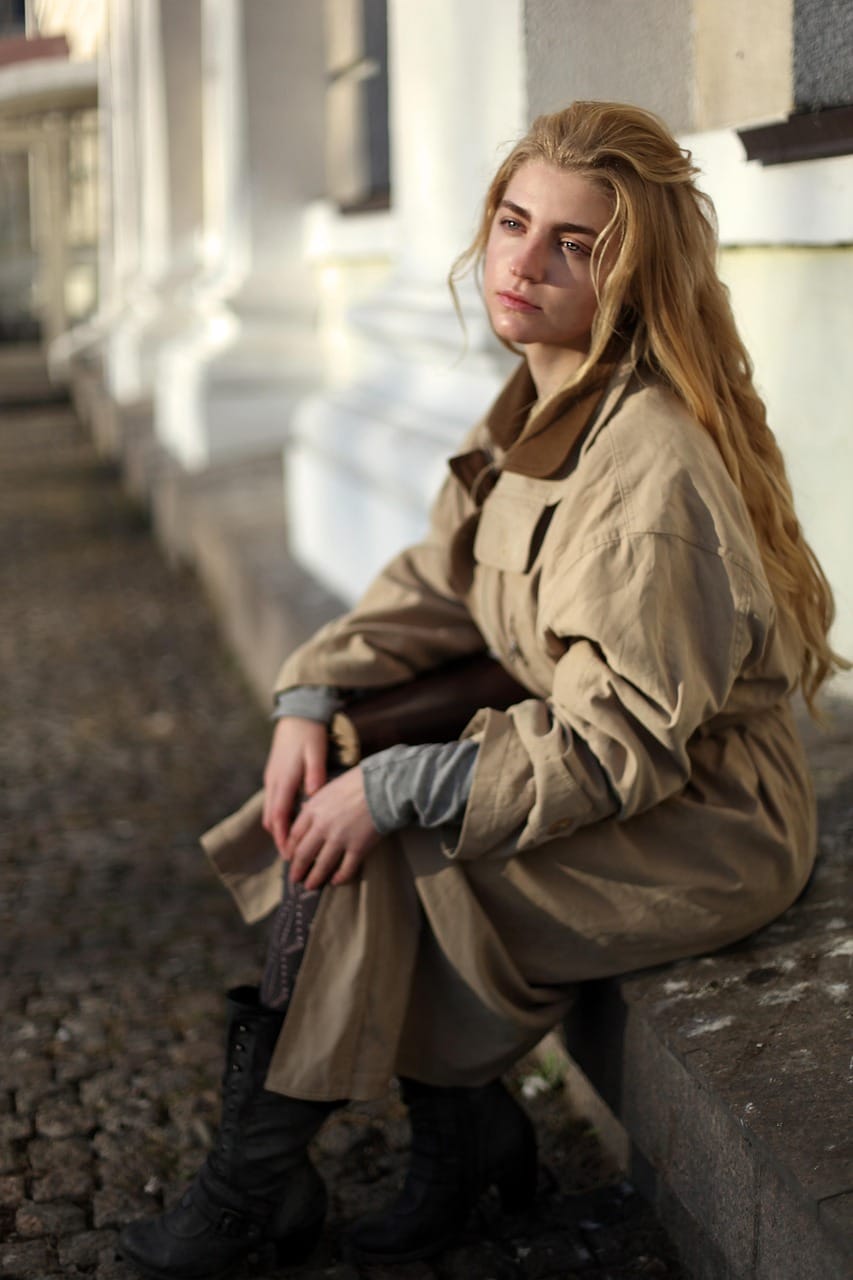
The best long coats this season share three details. The shoulder is soft, with little or no padding. The body falls straight from the shoulder, with no waist seam. And the hem stops between the calf and the ankle, which makes the leg look long even in flat shoes.
A long coat should look as if it belongs to someone a little taller than you. That is where the elegance comes from.
Isabeau Laurent
Avoid coats that fit closely. A long coat needs room for a thick knit and for air. When you try one on, wear your heaviest jumper and lift your arms. If the back pulls, go up a size.
Fabric matters more than the label
A long coat uses more than three metres of cloth, so the cloth decides how it looks after two winters. Pure wool of 500 grams or more per metre hangs well and keeps its shape. A little cashmere adds softness. A little nylon, no more than 20%, adds strength at the elbows and cuffs.
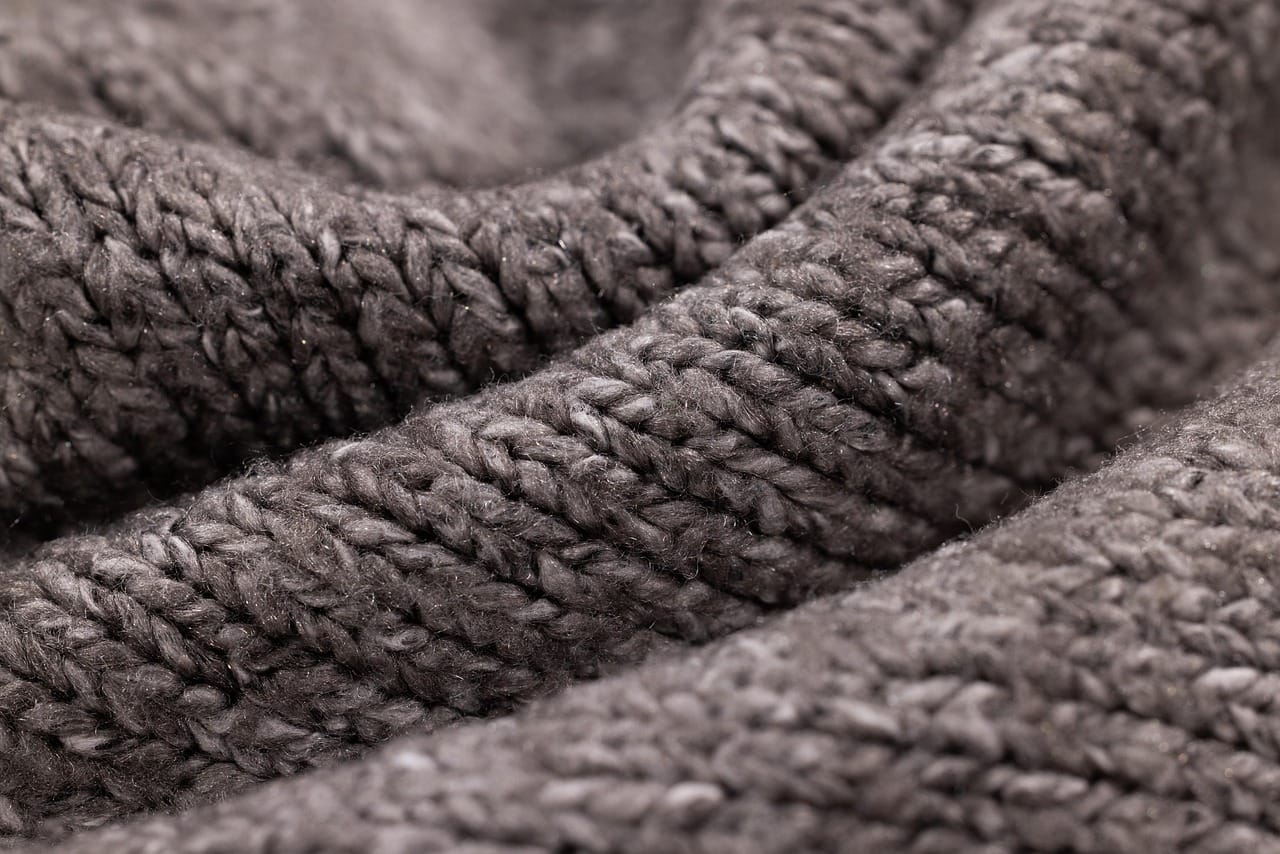
Read the inside label before you read the price. Many expensive coats are half polyester, and many fair-priced ones are pure wool from a good Italian or British mill. The words to look for are "virgin wool", "double-faced" and the name of the mill.
Colour
Camel is the classic, and it suits almost everyone. Navy is the most useful, because it works with black, grey, brown and denim. Black is elegant at night and can look heavy by day. This year there is also a strong case for dark olive and for a deep chocolate brown, both of which make grey knitwear look rich.

How to wear it
The long coat is forgiving. Here are four ways we have worn it this month.
- Open, over a roll-neck and straight jeans, with loafers
- Belted, over a knit dress, with knee boots
- Over a suit, in place of a blazer, for the office
- Over a hooded sweatshirt and trainers, at the weekend
The only rule is proportion. If the coat is wide, keep what is under it narrow. If you wear wide trousers, make sure the hem of the coat covers the widest part of the leg.
What to spend
A good long coat costs between 350 and 900 euros. Below that, the cloth is usually thin. Above it, you pay for a name. If your budget is small, buy second-hand: long wool coats from the 1990s were well made, they are easy to find and a tailor can shorten the sleeves for the price of a lunch.
Think in cost per wear. A 600-euro coat worn 80 days a year for eight years costs less than one euro a day. No other piece of clothing earns its place so clearly.
Care
Brush the coat after you wear it, with a natural-bristle clothes brush, from the shoulder down. Hang it on a wide wooden hanger and give it a day of rest between outings. Dry-clean it once, at the end of winter, and store it in a cotton cover with cedar. Moths love a dirty coat in a dark cupboard.
Can a short person wear a long coat?
Is a belt necessary?
The verdict
Trends pass, and this one will too. But a long coat in good wool was never a mistake, even in the years when nobody wore one. Buy the best cloth you can afford, in a colour you already wear, and it will be the first thing you reach for until April.