Denim, after the hype
The queues are gone. What is left is a quiet trade of people who make jeans to keep.

Ten years ago, men queued overnight for jeans. They paid 300 euros for stiff, dark denim woven on old looms in Japan, and they did not wash it for a year. Then the fashion passed. The queues are gone, and many of the small brands with them. What is left is better: a quiet trade of people who make very good jeans for people who want to keep them.
What the hype got right
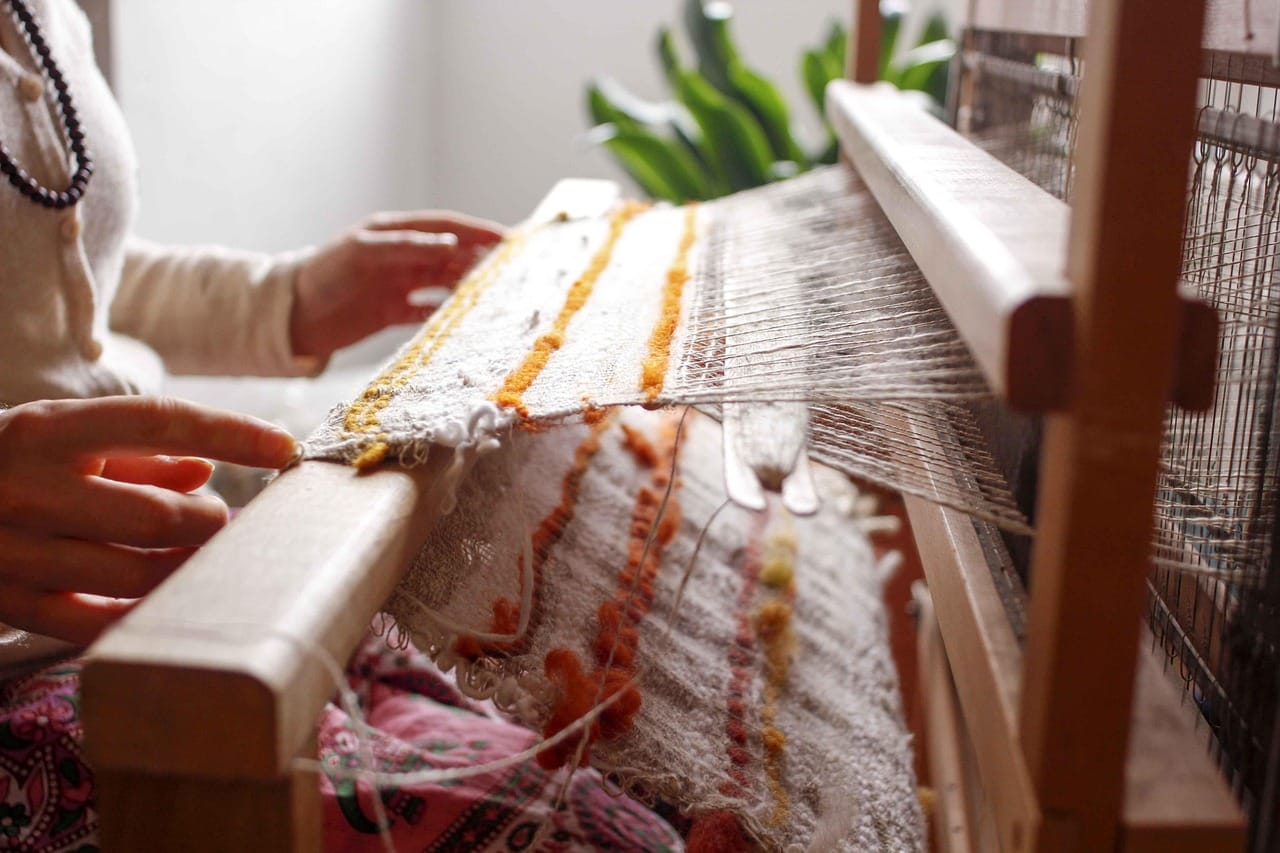
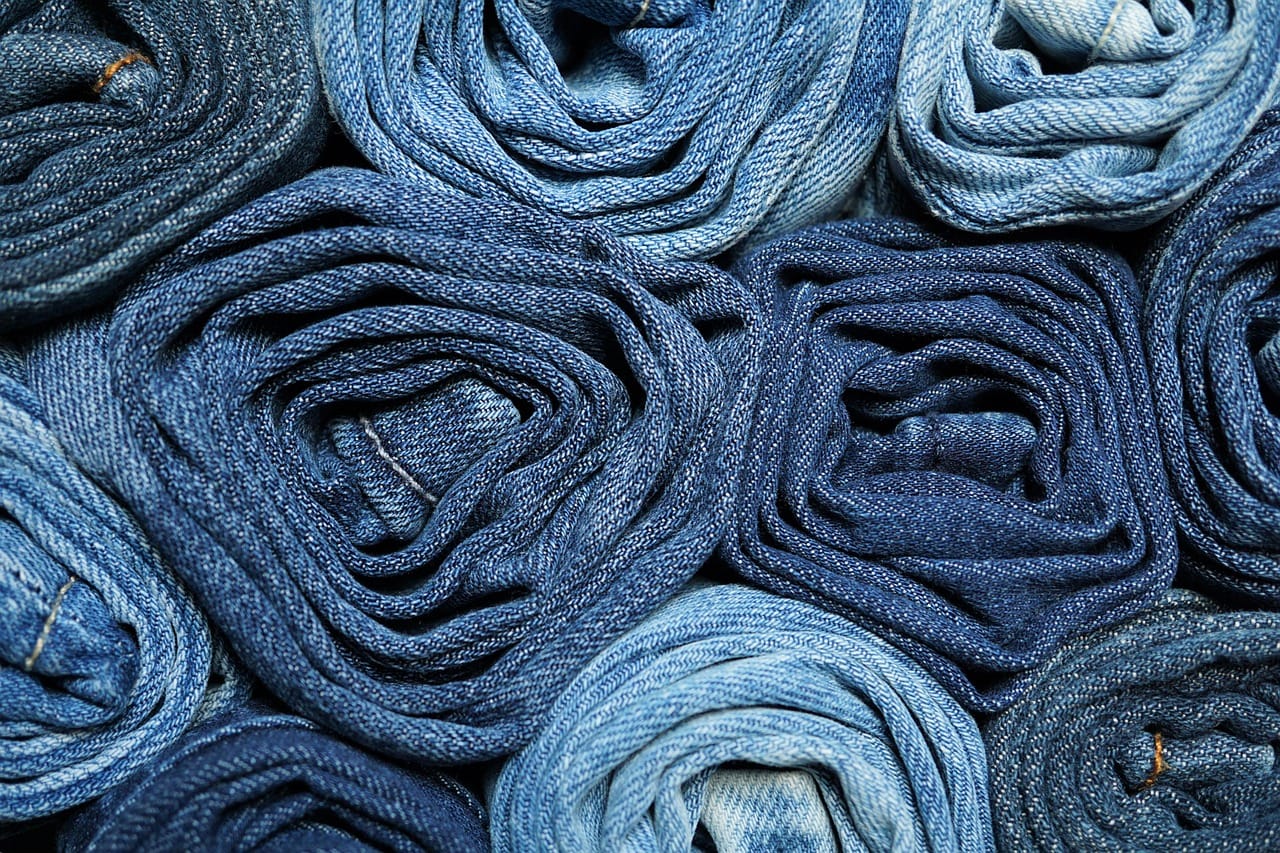
The enthusiasts were not wrong about the cloth. Denim from an old shuttle loom is different. The loom runs slowly and with little tension, so the cloth has an uneven, living surface. The edge is finished with a tight band, often with a coloured thread, called the selvedge. Turn up the hem and you can see it.
This cloth ages beautifully. The indigo dye sits on the surface of the yarn and wears away where the jeans bend and rub. After a year, they carry a map of the person who wore them.
What it got wrong
The rules were silly. Do not wash your jeans for a year. Put them in the freezer. Wear them in the bath. None of this made the jeans better, and dirt weakens cotton.
The fit was often wrong too. Very raw, very heavy denim in a very narrow cut is uncomfortable, and most people gave up after a month.
Good jeans should be comfortable on the first day. If they hurt, they are the wrong jeans.
Matteo Ricci
The makers who stayed
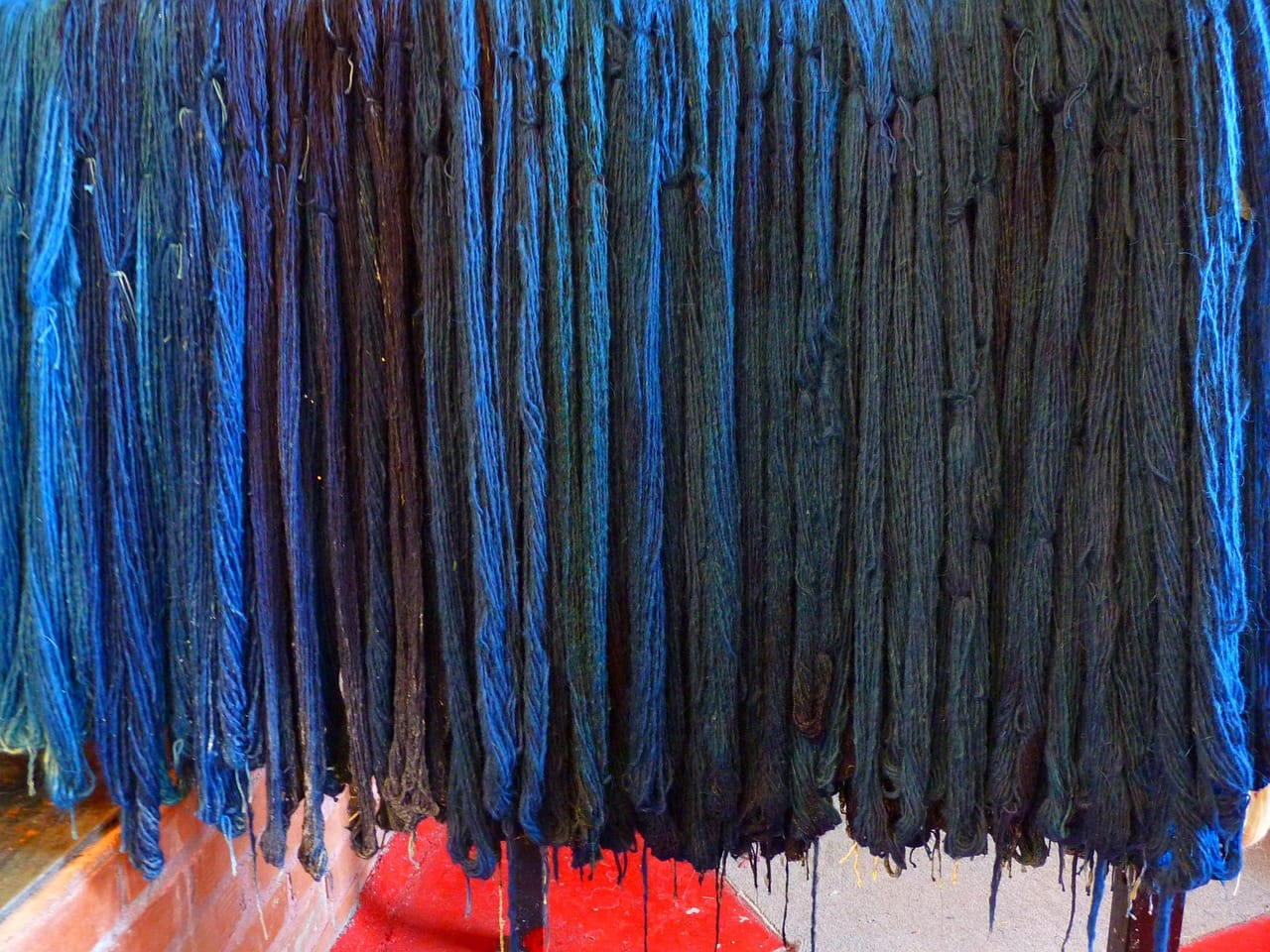
In Okayama, in the south of Japan, a handful of mills still weave on looms that are older than their workers. In northern Italy and in one town in North Carolina, others have started again. They make less cloth than before, and they sell it to brands that are in no hurry.
We visited a workshop in the Veneto where eleven people make about forty pairs a day. Each pair passes through twenty-two hands. The owner showed us a pair that a customer had sent back for repair after nine years. The knees had been darned three times. "This is the best advertisement we have," he said.

How to choose a pair
You do not need to be an expert. Check four things.
- The cloth. It should feel dense and a little rough, not thin and smooth. Between 12 and 14 ounces is right for most people.
- The cut. Straight or slightly tapered, with a medium or high waist. It will look right in ten years.
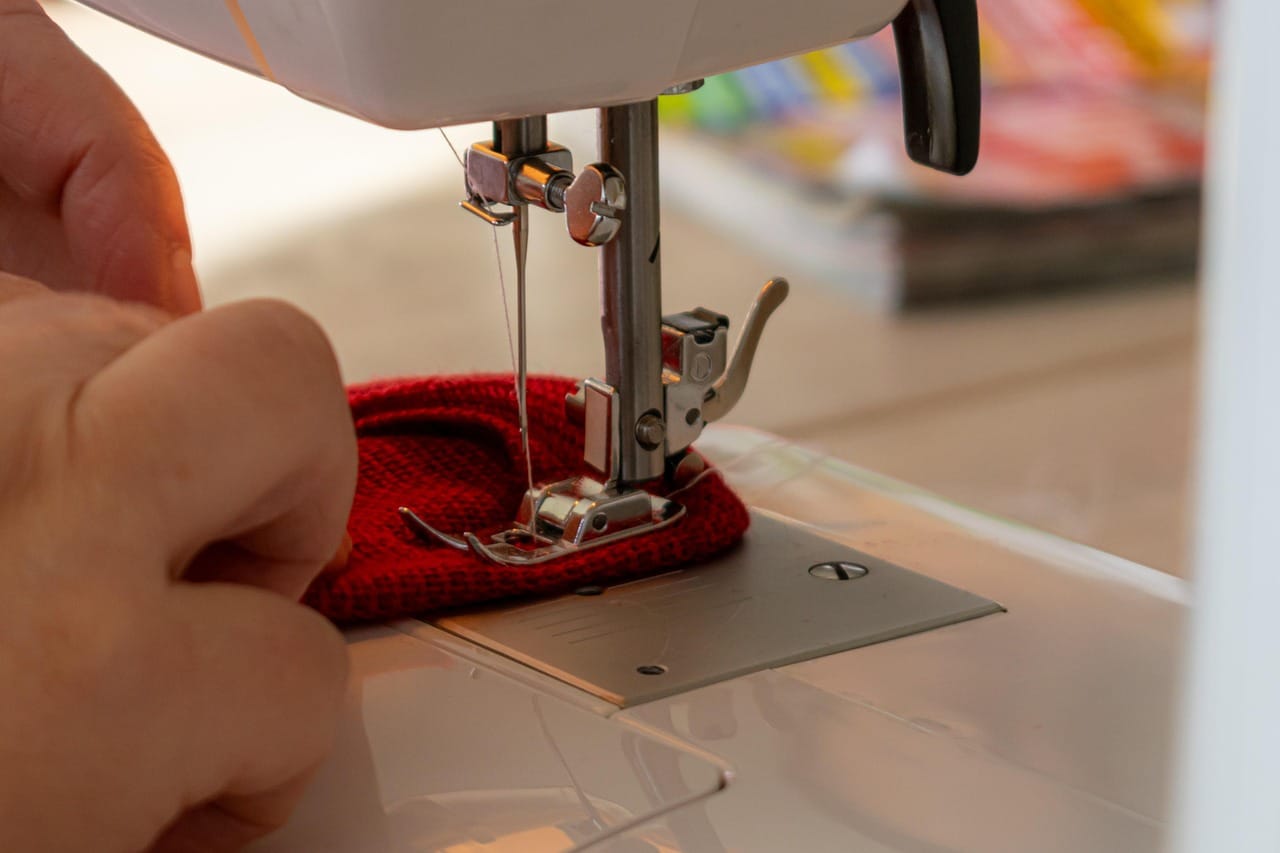
- The seams. Look inside. The stitches should be small and even, with no loose threads.
- The hardware. Buttons and rivets in plain metal, firmly attached.
Buy them to fit at the waist when they are new. Denim with no stretch gives about two centimetres in the first weeks.
How to wash them
Wash your jeans when they are dirty or when they smell. For most people, that is every ten to fifteen wears.
- Turn them inside out
- Wash at 30 degrees with a little mild soap
- Do not use a tumble dryer
- Hang them by the waist to dry
They will lose a little colour each time. That is the beauty of indigo, not a fault.
The question of stretch
Most jeans today contain 1 to 3% stretch fibre. It makes them comfortable at once, and it is the reason they lose their shape after a year. The fibre breaks down with heat and wear, and the knees and seat begin to hang.
Pure cotton denim takes two weeks to become comfortable, and then it stays the same for years. If you want one pair to keep, choose cotton.
Is it worth the price?
A pair of well-made jeans in good cloth costs between 180 and 280 euros. A pair from a fast-fashion chain costs 40. We kept a record for our own jeans. The good pair is in its seventh year and has been worn about 900 times. That is 27 cents a wear. The cheap pair lasted fourteen months.
There is another cost. Making one pair of cheap jeans uses about 7,000 litres of water, most of it for growing cotton and for the washes that make new jeans look old. Jeans that you buy dark and wear in yourself skip the worst of those washes.
Should I buy raw or washed denim?
Do expensive jeans last longer?
After the fashion
The best thing that happened to denim is that it stopped being fashionable. The people who make it now do it because they love it. The people who buy it want one good pair, not five. It took a trend to remind us, and it took the end of the trend to make it true.