Inside the last button workshop in Florence
Four people, one narrow street and a hundred years of horn and pearl. A visit before the door closes.

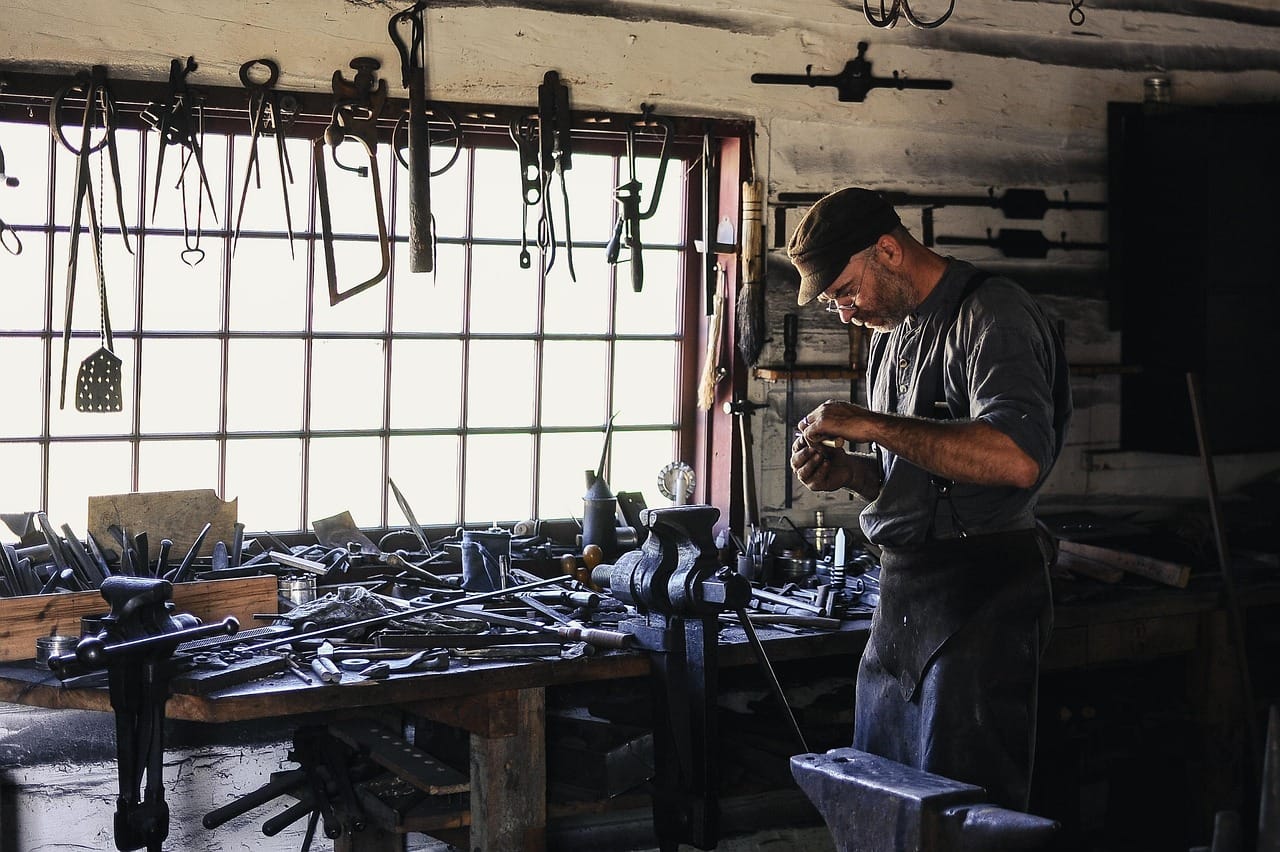
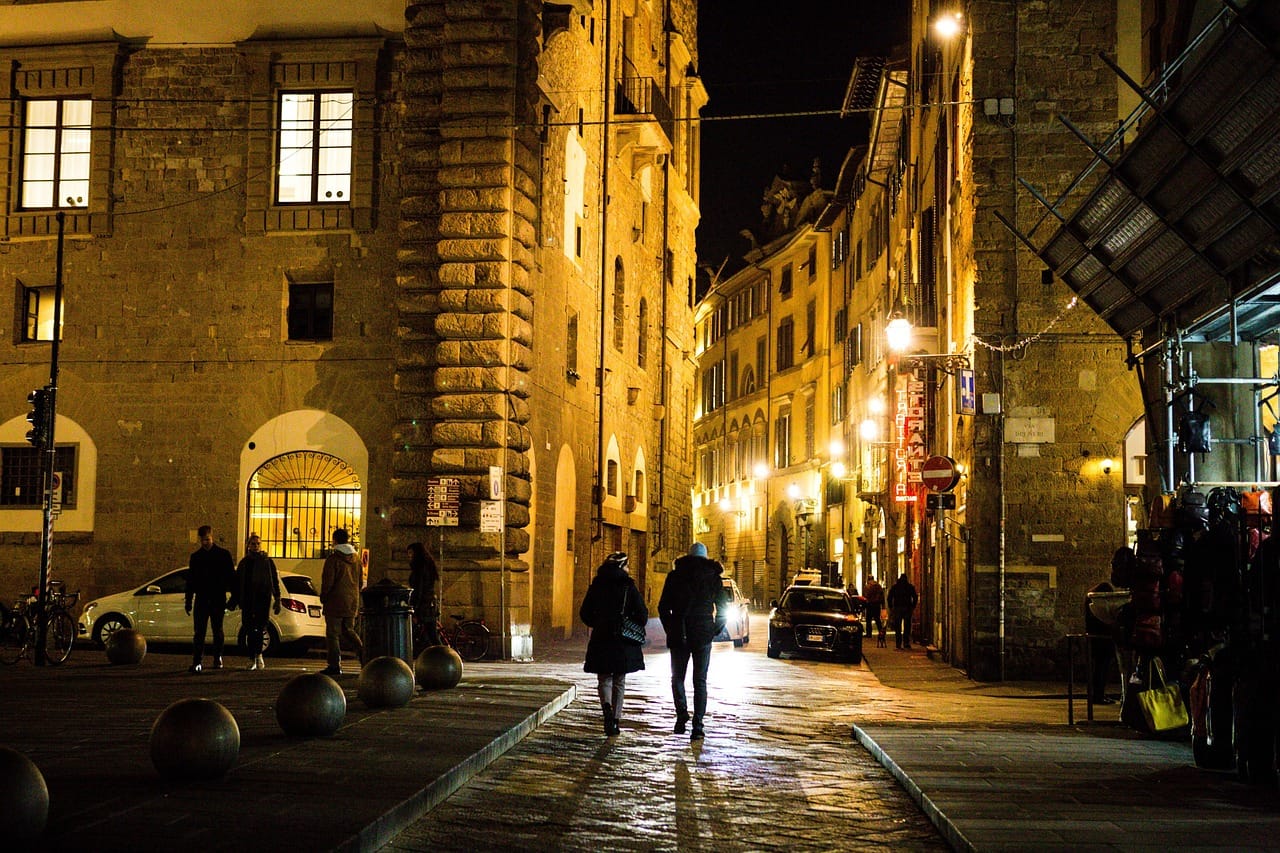
In a narrow street behind the church of Santo Spirito, there is a door with no sign. Behind it, four people make buttons by hand, as the same family has done since 1924. They supply the best tailors in Italy and a few houses in Paris. They are the last workshop of their kind in Florence.
A family of four generations
Lucia Bandini runs the workshop with her brother Paolo. Their great-grandfather opened it to serve the tailors of the city, who then numbered more than three hundred. Today there are about twenty. The workshop has survived by doing what machines cannot: very small orders, unusual materials and exact matches for old clothes.
"A client brings a coat from 1960 with one button missing," says Lucia. "We make one button. Not a hundred. One."
What a button is made of
Most buttons today are plastic. The Bandini workshop uses horn, mother-of-pearl, corozo nut and, for special orders, olive wood. Each material behaves differently.
- Horn is warm and slightly transparent, with a grain like wood. It is used for suits and coats.
- Mother-of-pearl is cool and bright. It is used for shirts.
- Corozo is the seed of a palm tree. It takes colour well and is used for casual jackets.
- Olive wood is soft, so it is sealed with wax. It is used for knitwear.
Forty minutes, by hand
Paolo shows how a horn button is made. He cuts a disc from a plate of horn with a small saw. He turns it on a lathe to shape the rim. He drills four holes, by eye, with no guide. Then he polishes the button on three wheels, each softer than the last, until it shines like a wet stone.
The whole process takes about forty minutes. A factory makes the same button in four seconds. The difference is in the edge, which is smooth and slightly rounded, and in the holes, which are clean so that the thread does not wear.
You can tell a good suit by its buttons before you touch the cloth. A cheap button on a fine jacket is like a plastic frame on a painting.
Paolo Bandini
Why tailors still come
A bespoke suit has between fifteen and twenty buttons. At eight euros each, handmade buttons add about 150 euros to a suit that costs four thousand. For the tailors, it is an easy decision. The buttons are one of the few parts of a suit that a client touches every day.
The workshop also solves problems. A client's sleeve buttons must be smaller than standard because his wrists are narrow. A woman's jacket needs buttons in a green that no factory makes. For these things, there is nowhere else to go.
A trade with no apprentices
The problem is the future. Lucia is 58 and Paolo is 61. Their children work in other fields. For three years, they have looked for an apprentice and have not found one who stayed.
"Young people like the idea," says Lucia. "Then they spend a week drilling holes and they understand how slow it is. You need five years to become good. It is not for everyone."
What we can do
You do not need a bespoke suit to care about buttons. A tailor can change the buttons on any jacket or coat in an hour, and it is the cheapest way to improve a garment you already own. Horn buttons for a jacket cost about forty euros. Mother-of-pearl buttons for a shirt cost less than ten.
Look at the clothes you love most. If the buttons are thin, shiny plastic, change them. You will notice the difference every time you get dressed.
How do I know if a button is real horn?
Can mother-of-pearl go in the washing machine?
Before the door closes
We left the workshop with six horn buttons in a paper envelope, for a coat that had lost one. Lucia wrote the date on the envelope and the name of the horn plate they came from, in case we need another.
Workshops like this one do not close with a bang. They close quietly, when the last person who knows how to do the work stops doing it. If you are in Florence, find the door with no sign and knock.